Technical Resources
In-depth analysis and guidance on the latest incineration technologies, compliance standards, and sustainable waste solutions.

Compliance
Air Pollution Control for Incinerators: From Combustion to Clean Gas
Air-pollution control (APC) should be designed as part of the incineration process, not added after the furnace has been selected. The appropriate system depends on waste chemistry, combustion conditions, required emission limits, gas flow, temperature and the jurisdiction in which the plant operates.
Technology
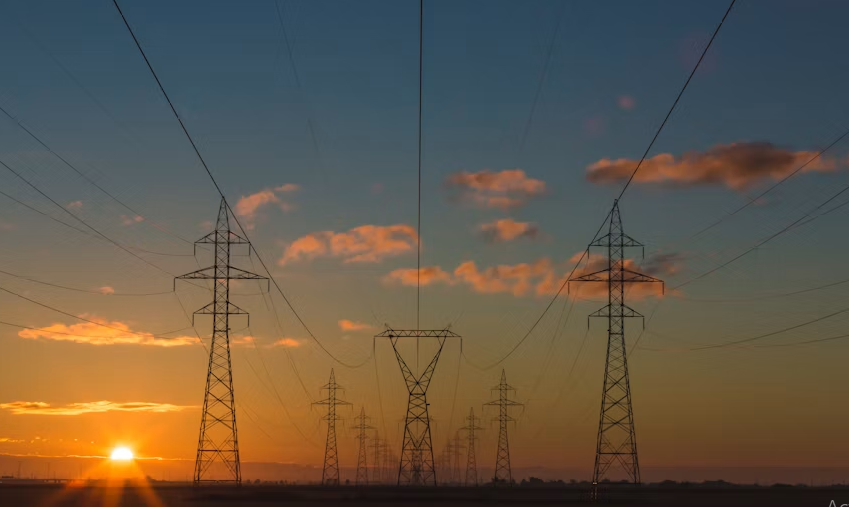
Incinerator Waste-to-Energy: How to Assess Energy Recovery Potential
Waste-to-energy can turn part of the thermal energy contained in suitable waste into useful heat, steam or electricity. However, energy recovery should be assessed from the actual waste composition and plant duty—not from waste mass alone. Moisture, calorific value, combustion conditions, heat losses and parasitic loads all influence the energy that can realistically be recovered.

Healthcare
Medical Waste Incinerators: A Practical Guide for Hospitals and Healthcare Facilities
Medical waste management is an essential part of healthcare infrastructure. Hospitals, clinics, laboratories and other healthcare facilities need a reliable method of treating waste that cannot be safely managed through conventional waste disposal. A properly specified medical waste incinerator can provide controlled thermal treatment for suitable healthcare waste while reducing the volume of material requiring final disposal. The correct system should not be selected on capacity alone. Waste composition, moisture, operating hours, combustion requirements, emissions controls, site conditions and applicable regulations all need to be considered before equipment is specified.

Agriculture
Animal Carcass Incinerators: Safe Thermal Treatment for Farms and Agricultural Operations
Animal mortality is an unavoidable risk for many agricultural operations, veterinary facilities and livestock businesses. When carcasses cannot be buried, rendered or otherwise managed through an approved route, on-site thermal treatment can provide an alternative method of controlled disposal. Selecting an animal carcass incinerator requires consideration of animal type, carcass weight, moisture content, operating frequency, fuel consumption, emissions and the practical requirements of the farm or facility.

Industrial
Industrial Waste Incineration: How to Select the Right System
Industrial waste varies enormously from one facility to another. Manufacturing operations can generate contaminated packaging, process residues, rejected products, sludge, organic waste and other materials with very different physical and thermal properties. For this reason, industrial incineration should begin with waste characterisation rather than equipment selection.
Engineering
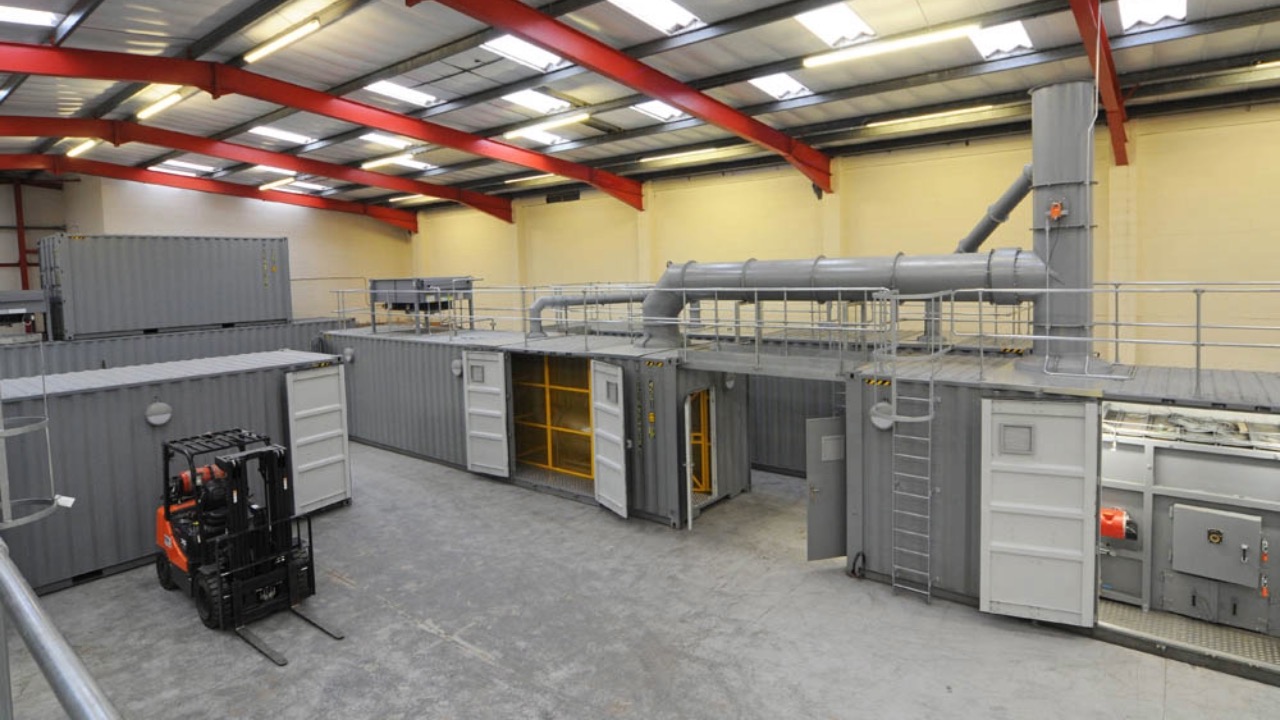
Incinerator Installation and Commissioning: What Happens After Purchase?
Buying an incinerator is only one part of establishing a reliable waste-treatment facility. Installation, commissioning, operator training and ongoing maintenance all have a direct effect on the long-term operation of the plant. A properly planned installation begins well before the equipment arrives on site.
Industrial
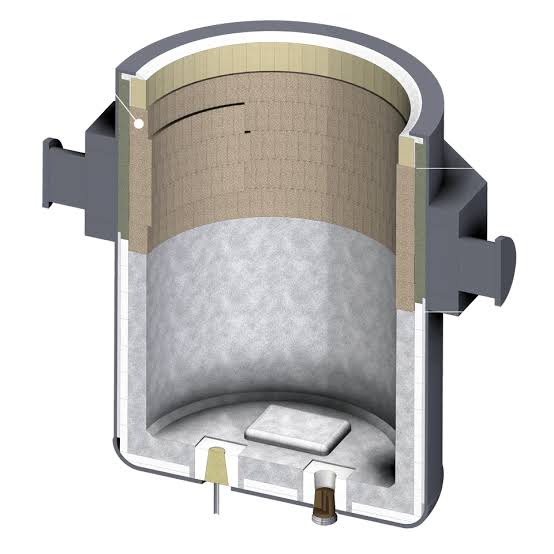
Incinerator Refractory Lining: Why It Matters and When It Needs Attention
The refractory lining is one of the most important protective components inside an incinerator. It protects the steel structure from high temperatures and provides the thermal environment required for controlled combustion. Like any wear component, refractory materials require inspection and eventual replacement.
Industrial
Incinerator Fuel Consumption: What Determines How Much Fuel You Use?
Fuel consumption is one of the most important operating-cost considerations when selecting and running an incinerator. However, fuel consumption cannot be assessed from burner size alone. Waste moisture, calorific value, loading practice, operating temperature, combustion control and equipment condition all influence actual fuel requirements.

Agriculture
How to Choose an Animal Cremator: Capacity, Operation and Site Requirements
Animal cremation equipment is used by veterinary practices, animal welfare organisations, farms, local authorities and specialist cremation businesses. Choosing the right cremator requires more than selecting a chamber large enough for the largest animal. The equipment should be matched to the expected animal sizes, operating frequency, loading method, fuel availability and required turnaround time.
Compliance
Incinerator Emissions: What Operators and Procurement Teams Need to Know
Incinerator emissions are determined by the interaction between the waste, combustion process and flue-gas treatment system. Environmental performance should therefore be considered from the earliest stage of project design rather than after the furnace has been selected.

Procurement
How to Choose an Incinerator Manufacturer and Supplier
Choosing an incinerator manufacturer is a significant procurement decision. The supplier is not simply providing a furnace; they may be responsible for combustion engineering, controls, emissions equipment, installation, commissioning, training and long-term technical support. A good procurement process therefore evaluates the supplier as carefully as the equipment itself.
Need Specialized Guidance?
Our engineering team is available for custom consultations regarding site-specific waste challenges and environmental compliance.
Consult an Expert